Lactated Ringer's (LR / Hartmann's solution)
LR · Hartmann's
Balanced (calcium-containing) isotonic crystalloid
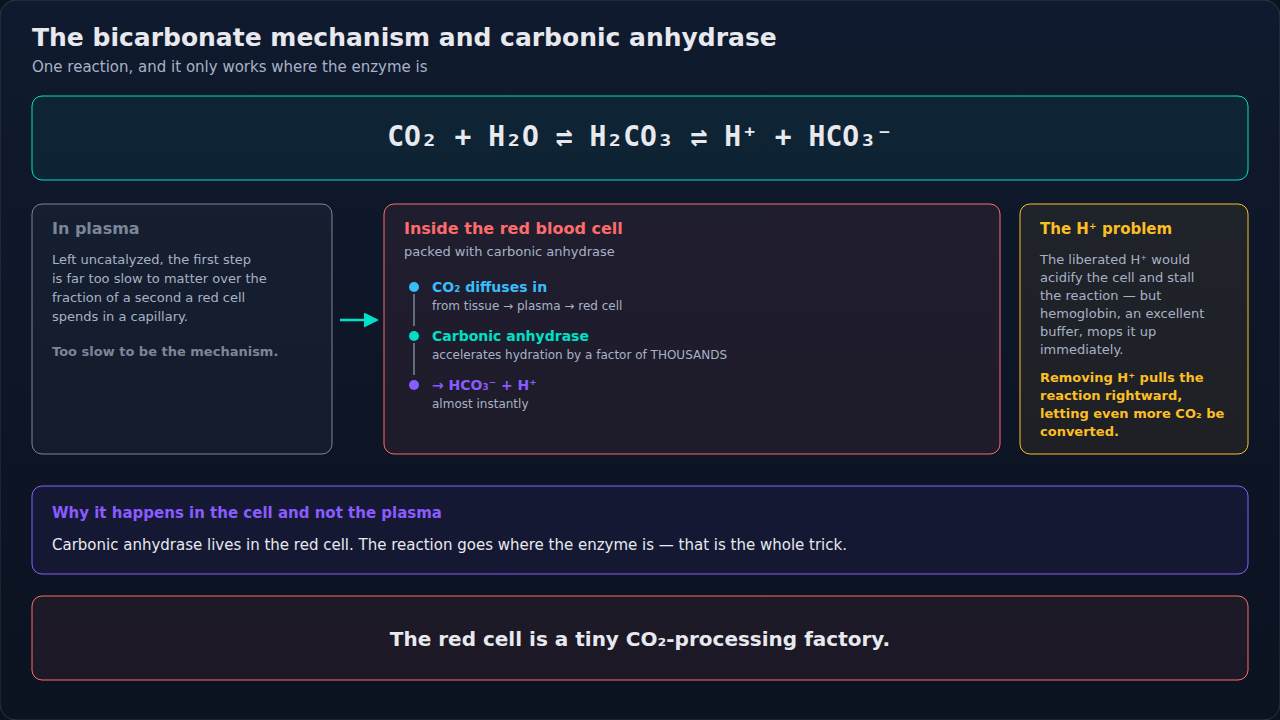
Na⁺ 130, Cl⁻ 109, K⁺ 4, Ca²⁺ 3, lactate 28 mEq/L; osmolality 273 mOsm/kg (slightly hypotonic). Lactate metabolized by liver to bicarbonate, providing buffering. Closer to plasma electrolyte composition than saline.
Indications
- •Volume resuscitation — first-line balanced crystalloid in most modern protocols
- •Surgical maintenance and replacement
- •Trauma resuscitation
- •Burn resuscitation (Parkland formula calls for LR)
- •Sepsis fluid resuscitation (per Surviving Sepsis 2021 — balanced > saline)
Dosing
| Context | Adult | Pediatric |
|---|---|---|
| Resuscitation bolus | 500–1000 mL IV over 10–30 min | 10–20 mL/kg IV bolus |
| Burn resuscitation (Parkland) | 4 mL × kg × %TBSA second-degree-or-worse burn over 24 h, half in first 8 h | — |
| Surgical maintenance | 1–2 mL/kg/h | — |
Pharmacokinetics
Distributes across extracellular space. Lactate metabolized to HCO₃⁻ in liver (1 hr in healthy patient; impaired in liver failure or shock-induced anaerobic state).
Hemodynamic effects
Volume expansion. Calcium content (3 mEq/L) is below the threshold that clinically chelates citrate at usual transfusion rates, but classical teaching is to avoid co-running with whole blood / PRBC through the same line.
Respiratory effects
Pulmonary edema with over-resuscitation.
Side effects
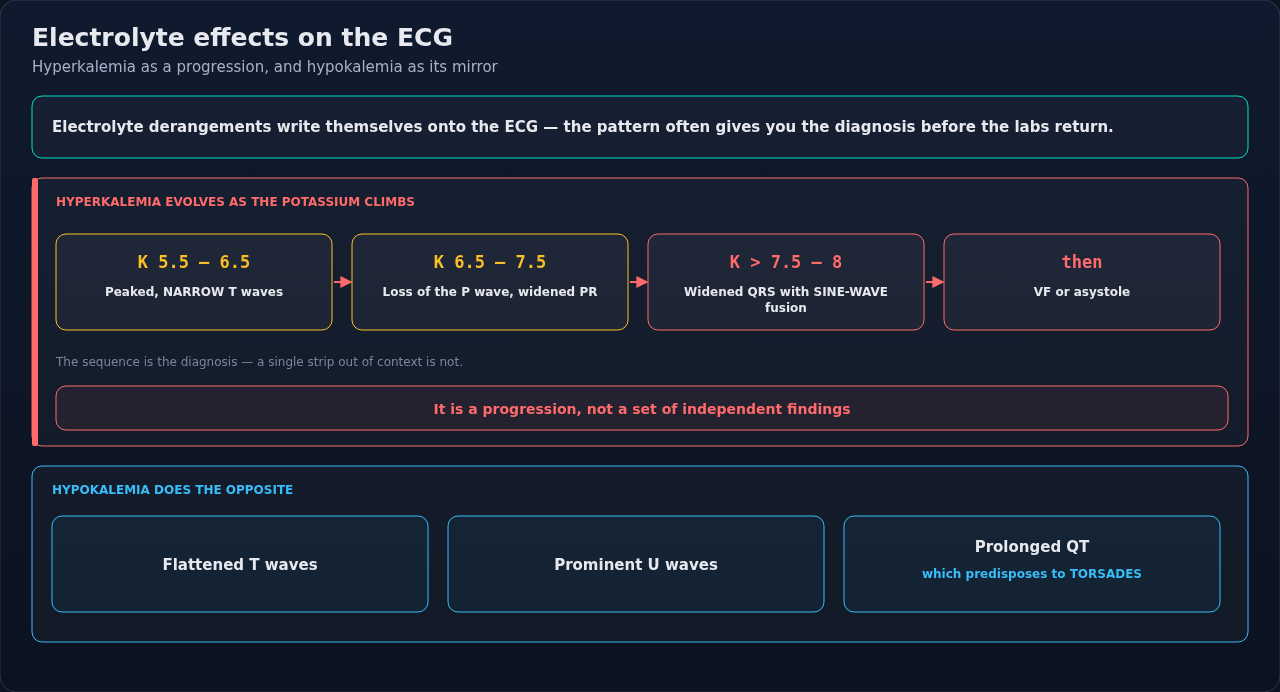
- !Hyperkalemia myth — clinically not relevant (see normal-saline pearls)
- !Mild hyponatremia (Na 130) at very large volumes — relative consideration in TBI
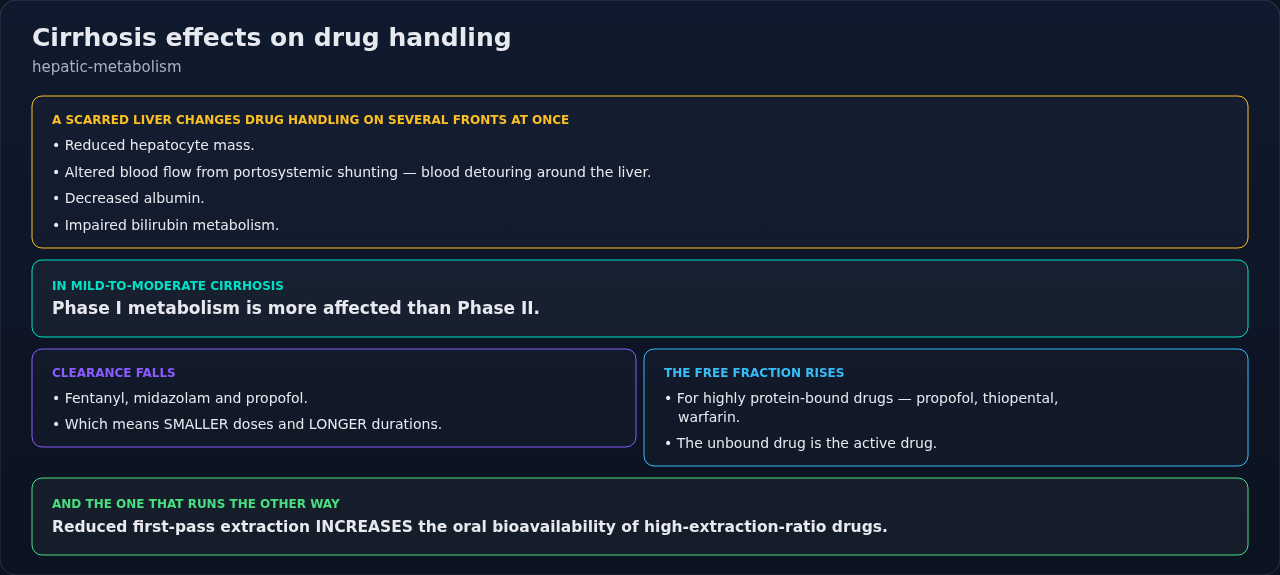
- !Lactate metabolism failure in shock liver / type B lactic acidosis (rare in practice)
- !Volume overload
Contraindications
- ×Hypercalcemia (relative)
- ×Severe lactic acidosis from hepatic failure (theoretical)
- ×Confirmed or suspected TBI (NS preferred)
Clinical pearls
- ★PARKLAND FORMULA: 4 mL × kg × %TBSA over 24 h — half in first 8 h from burn time, not arrival. LR is the prescribed fluid in the original and modern formulas.
- ★BLOOD PRODUCT COMPATIBILITY: LR's 3 mEq/L Ca²⁺ can chelate citrate in massive transfusion at high rates, theoretically clotting the bag. Modern recommendation: separate IV access for blood products is good practice but multiple studies show no clinical clotting at usual rates. AABB no longer absolutely prohibits running PRBC with LR.
- ★SMART TRIAL: balanced (LR/Plasmalyte) reduced MAKE30 by 1.1% absolute vs saline in 15,000 ICU patients. The effect was largest in sepsis subgroup.
- ★LACTATE LEVEL READINGS: LR contains 28 mEq/L of l-lactate, which IS measured by hospital lactate assays. Patients getting large volumes of LR can have falsely elevated lactate. Stop fluid and recheck before treating an isolated post-LR lactate elevation.
- ★PEDS: LR is the standard maintenance and resuscitation fluid in pediatric practice. NS is not preferred outside specific indications (TBI).
Other drugs in Crystalloids
- Normal Saline (0.9% NaCl)
0.9% sodium chloride in water — Na⁺ 154 mEq/L, Cl⁻ 154 mEq/L, osmolality 308 mOsm/kg. Distributes throughout the extracellular space; ~25–30% of infused volume remains intravascular at 30–60 min.
- Plasma-Lyte 148 (and similar balanced solutions)
Na⁺ 140, Cl⁻ 98, K⁺ 5, Mg²⁺ 3, acetate 27, gluconate 23 mEq/L; osmolality 294 mOsm/kg. Acetate and gluconate metabolize independent of liver perfusion (unlike lactate), making it useful in liver failure / shock states. No calcium → fully compatible with blood products.
- D5W (5% Dextrose in Water)
5% dextrose (50 g/L) in water — when dextrose is metabolized, the remaining solution is free water. Effectively a free-water source distributed across total body water (28–42 L in adult).
- Hypertonic Saline 3% (and 23.4%)
3% NaCl: Na⁺ 513 mEq/L, osmolality 1027 mOsm/kg. 23.4% NaCl: Na⁺ 4000 mEq/L. Pulls water from brain parenchyma across an intact blood-brain barrier into the intravascular space — reduces ICP and treats severe hyponatremia.
Browse all classes: /reference/drugs
Suggested reading
- •Miller's Anesthesia, 9e
- •Stoelting & Hines, Pharmacology & Physiology in Anesthetic Practice, 6e