Ondansetron
Zofran
5-HT3 receptor antagonist
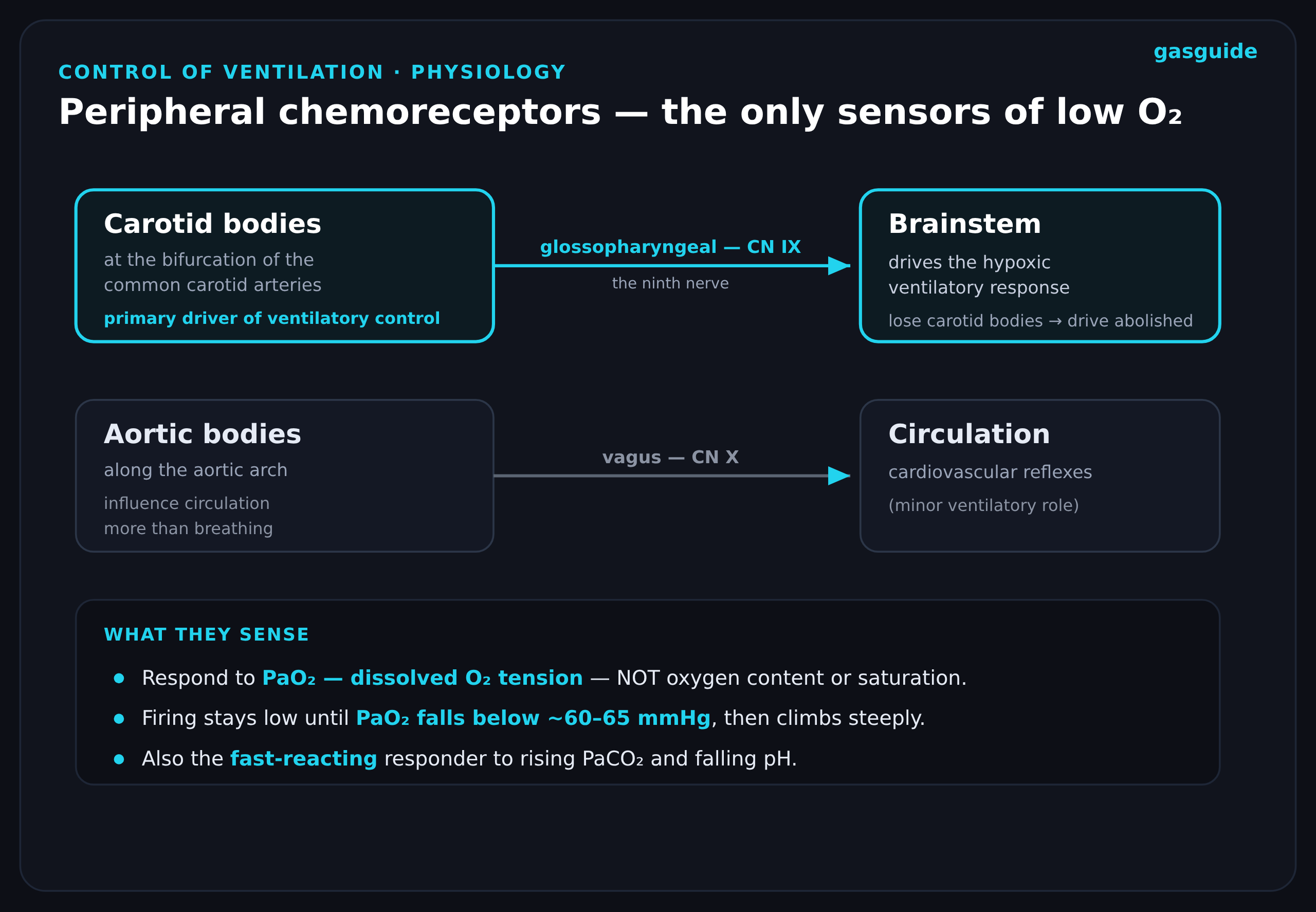
Blocks serotonin receptors at vagal afferents and chemoreceptor trigger zone.
Indications
- •PONV prophylaxis + treatment
- •Chemotherapy-induced nausea
- •Pruritus from neuraxial opioids
Dosing
| Context | Adult | Pediatric |
|---|---|---|
| PONV prophylaxis | 4 mg IV at end of case | 0.1 mg/kg IV (max 4 mg) |
| Treatment | 4 mg IV q4–6 h prn | — |
Pharmacokinetics
Onset 30 min. Duration 4–8 h. Hepatic CYP.
Side effects
- !QT prolongation (dose-dependent; max single IV dose 16 mg)
- !Headache
- !Constipation
- !Serotonin syndrome with MAOIs/SSRIs (rare)
Contraindications
- ×Long QT syndrome
- ×Concurrent apomorphine
Clinical pearls
- ★Combine with dex 4–8 mg + droperidol 0.625 mg for high-risk PONV (Apfel score ≥ 3).
- ★ECG-guided dosing in cardiac patients.
Other drugs in Antiemetics & Related
- Metoclopramide
Central D2 antagonism at the chemoreceptor trigger zone (antiemetic). Peripherally, sensitizes upper-GI tissue to acetylcholine → increases lower esophageal sphincter tone, accelerates gastric emptying, speeds duodenal transit. Mild 5-HT4 agonism contributes to prokinesis.
- Droperidol
Potent central D2 antagonism at the chemoreceptor trigger zone. Also α-adrenergic blockade and mild GABA-A facilitation. Highly effective antiemetic and sedative — historically a key component of neuroleptanalgesia.
- Aprepitant
Selective antagonist at central neurokinin-1 receptors in the area postrema and nucleus tractus solitarius. Blocks substance-P-mediated emesis, particularly the delayed phase (24–72 h post-stimulus) where 5-HT3 antagonists lose efficacy.
- Granisetron
Blocks serotonin 5-HT3 receptors (central CTZ + peripheral vagal afferents). More selective + longer-acting than ondansetron.
- Dolasetron
5-HT3 antagonist (prodrug → hydrodolasetron). Effective antiemetic but the most QT/dysrhythmia-prone of the class.
- Promethazine
H1 antihistamine with anticholinergic + antidopaminergic activity → antiemetic + sedation + antihistamine effects.
- Haloperidol
Dopamine D2 antagonist (CTZ) → antiemetic at low doses; antipsychotic/sedating at higher doses.
Browse all classes: /reference/drugs
Suggested reading
- •Stoelting & Hines, Pharmacology & Physiology in Anesthetic Practice, 6e
- •Miller's Anesthesia, 9e
- •FDA package insert