Ketamine
Ketalar
Phencyclidine derivative / NMDA antagonist
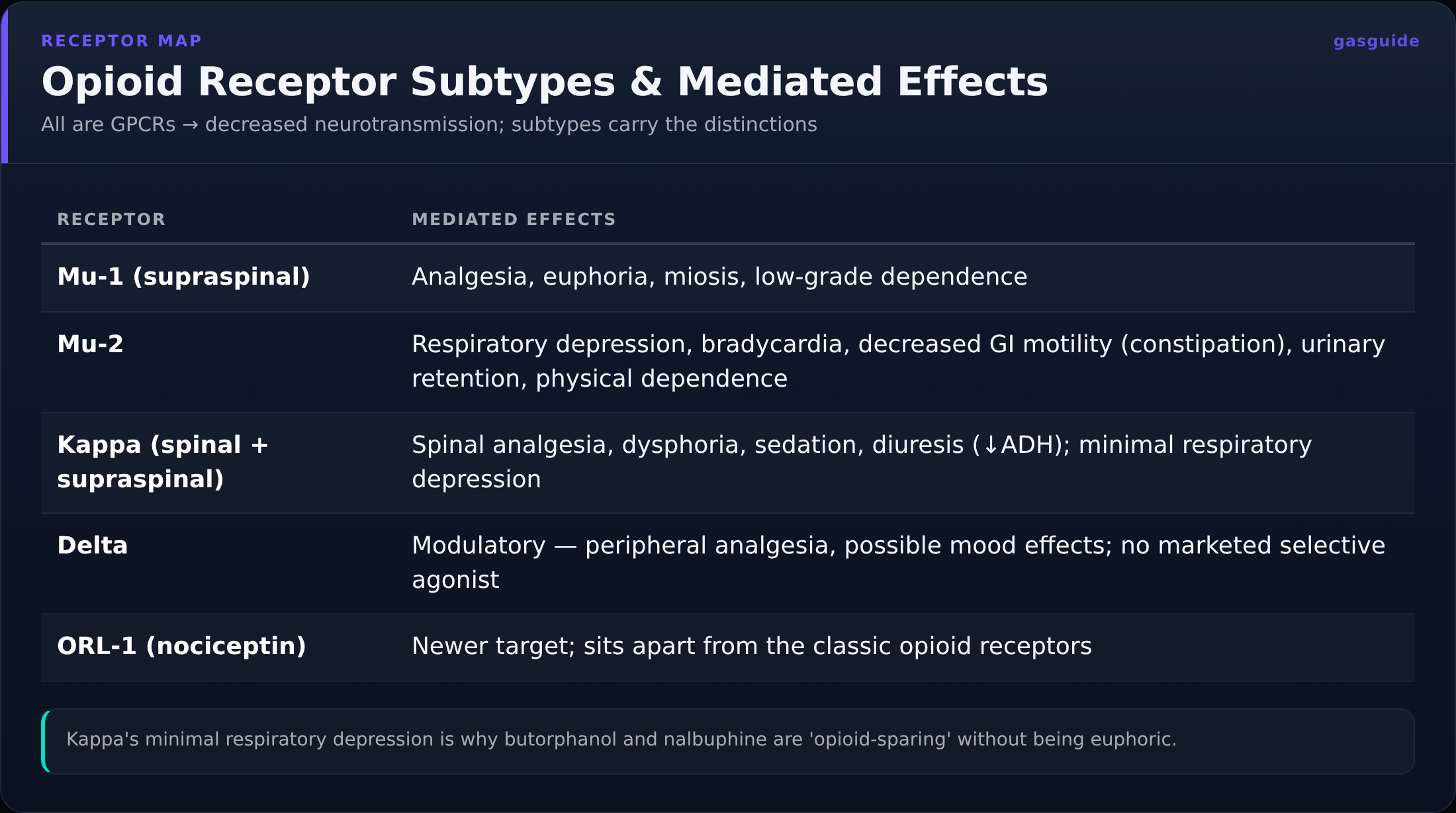
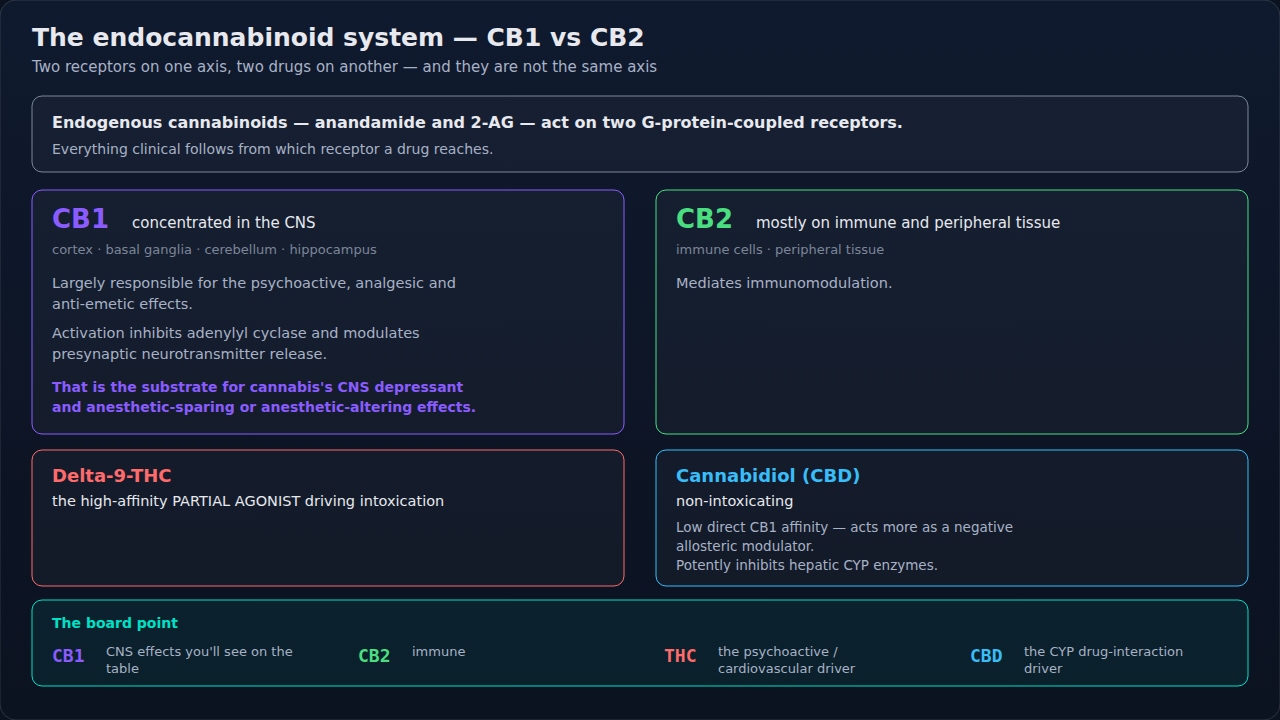
Non-competitive NMDA receptor antagonist. Also effects on opioid, monoaminergic, muscarinic receptors. Produces dissociative anesthesia with analgesia.
Indications
- •Hemodynamically unstable induction
- •Bronchospasm/asthma induction
- •Burns dressing changes
- •Chronic pain (low-dose infusion)
- •Treatment-resistant depression
Dosing
| Context | Adult | Pediatric |
|---|---|---|
| Induction | 1–2 mg/kg IV | 1–2 mg/kg IV; 4–6 mg/kg IM (full induction) |
| Analgesia infusion | 0.1–0.5 mg/kg/hr | — |
| Sedation/analgesia bolus | 0.25–0.5 mg/kg IV | — |
| Procedural sedation peds | — | 0.5–1 mg/kg IV repeated PRN; 3–5 mg/kg IM (dissociative, NOT induction) |
Pharmacokinetics
Onset 30 sec IV / 3–5 min IM. Duration 10–20 min IV. Hepatic CYP metabolism (norketamine metabolite still active).
Hemodynamic effects
↑BP, ↑HR, ↑CO via central sympathetic stimulation. May reveal direct cardiac depression in catecholamine-depleted patients (chronic critical illness).
Respiratory effects
Bronchodilator. Preserves airway reflexes + spontaneous ventilation. Increased secretions (consider glycopyrrolate).
Side effects
- !Emergence reactions (vivid dreams, hallucinations) — co-administer benzo or propofol
- !Hypersalivation
- !Increased ICP (controversial in modern data — not absolute contraindication in TBI)
- !Tachyphylaxis with chronic infusion
- !Bladder symptoms with chronic recreational use
Contraindications
- ×Severe coronary disease (relative)
- ×Uncontrolled HTN
- ×Uncorrected pheochromocytoma
Clinical pearls
- ★Best induction agent for status asthmaticus and cardiac tamponade.
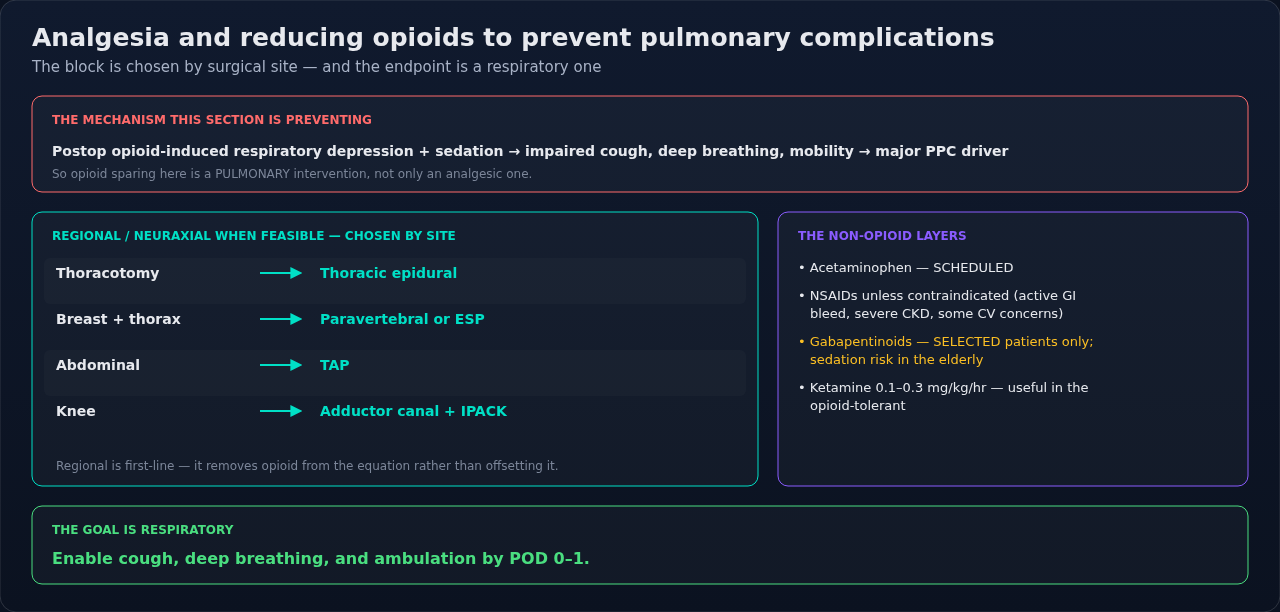
- ★Subanesthetic ketamine 0.25 mg/kg pre-incision reduces postop opioid + chronic pain.
- ★S(+) enantiomer (esketamine) more potent + less psychomimetic.
Other drugs in Induction Agents
- Propofol
Potentiates GABA-A chloride conductance. Direct CNS depression with no analgesia.
- Etomidate
GABA-A potentiation. Highly hemodynamically stable due to minimal SVR/contractility effects.
- Thiopental
Enhances GABA-A chloride currents (↑ channel-open duration) → rapid loss of consciousness. Classic barbiturate induction agent.
- Methohexital
GABA-A potentiation. Shorter-acting than thiopental; lowers seizure threshold (useful for ECT).
- Remimazolam
GABA-A benzodiazepine agonist with an ester linkage → rapid hydrolysis by tissue esterases (like remifentanil among opioids) → fast recovery, organ-independent.
Browse all classes: /reference/drugs
Suggested reading
- •Stoelting & Hines, Pharmacology & Physiology in Anesthetic Practice, 6e
- •Coté, A Practice of Anesthesia for Infants and Children, 7e
- •FDA package insert